
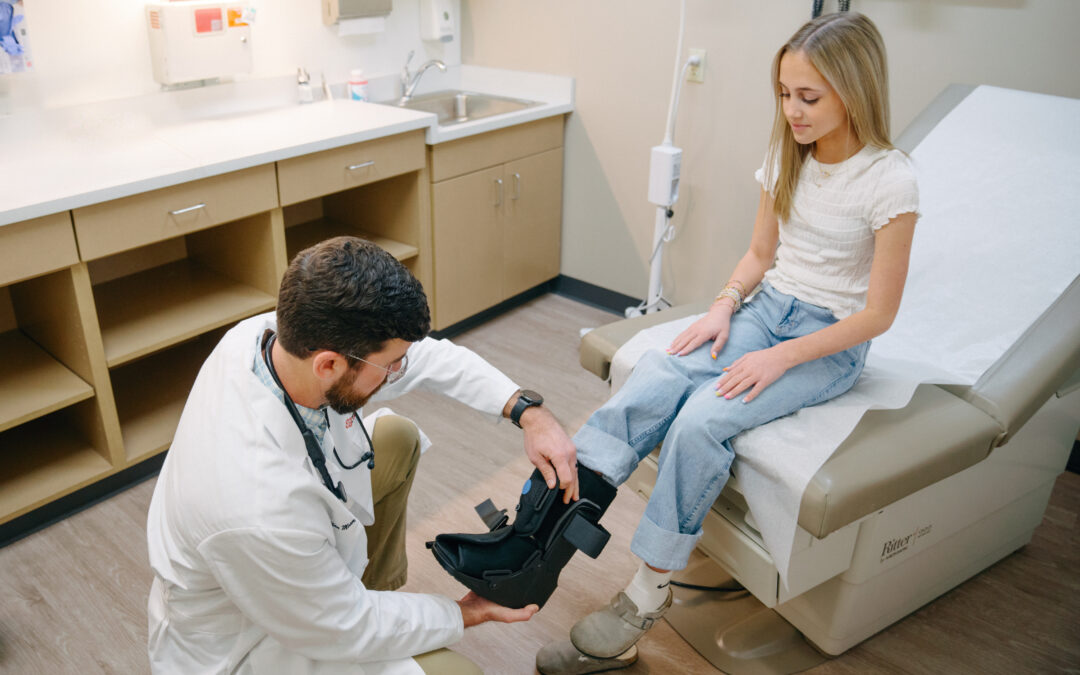
As warmer weather arrives in Huntersville, it’s the perfect excuse to get outside: refresh the yard, plant flowers, and finally tackle those outdoor projects you’ve been putting off. But after a slower winter, jumping straight into lifting, digging, and repetitive tasks can quickly lead to injury if your body isn’t ready for it.
Each spring, AFC Huntersville sees an uptick in patients dealing with sprains, strains, and pulled muscles. The good news? Many of these injuries are preventable with a little preparation and awareness.
Why Yard Work Can Lead to Injury
Yard work may not feel like a traditional workout, but it can put serious stress on your body. Common causes of injury include:
- Lifting heavy bags of mulch, soil, or equipment
- Repetitive movements like raking, digging, or trimming
- Twisting while carrying tools
- Bending or kneeling with poor posture
- Skipping a proper warm-up
These activities can strain muscles and joints, leading to soreness—or injuries that last longer than expected.
Sprain vs. Strain: What’s the Difference?
While they’re often used interchangeably, sprains and strains affect different parts of the body:
- Sprains involve ligaments (the tissue connecting bones), often affecting ankles, wrists, or knees
- Strains involve muscles or tendons, commonly impacting the back, shoulders, or legs
Both can cause pain, swelling, stiffness, and limited movement.
Signs You May Have Overdone It
Not all injuries show up right away. Keep an eye out for:
- Pain during or after activity
- Swelling or bruising
- Muscle tightness or weakness
- Limited range of motion
- Pain that worsens with movement
If symptoms linger or begin interfering with daily activities, it may be time to get checked.
How to Prevent Yard Work Injuries
A few simple habits can help protect your body:
- Warm up with light stretching or a short walk
- Lift with your legs, not your back
- Take breaks to avoid overuse
- Use proper tools for each task
- Stay hydrated, especially on warm North Carolina days
Pacing yourself is key: you don’t have to finish everything in one afternoon.
When to Visit AFC Huntersville
While mild soreness is normal, more serious injuries may need medical attention. Visit AFC Huntersville if you experience:
- Severe or persistent pain
- Swelling that doesn’t improve
- Difficulty bearing weight or using a limb
- Signs of a muscle tear or joint instability
- Pain that isn’t improving after a few days
Early evaluation can help prevent further injury and support a faster recovery.
Stay Active, Stay Safe
Spring yard work is a great way to enjoy the season in Huntersville, but it shouldn’t leave you sidelined. Taking time to prepare, pace yourself, and listen to your body can help you stay active and injury-free.
And if something doesn’t feel right, AFC Huntersville is here with fast, reliable care to help you recover and get back to enjoying the outdoors.